
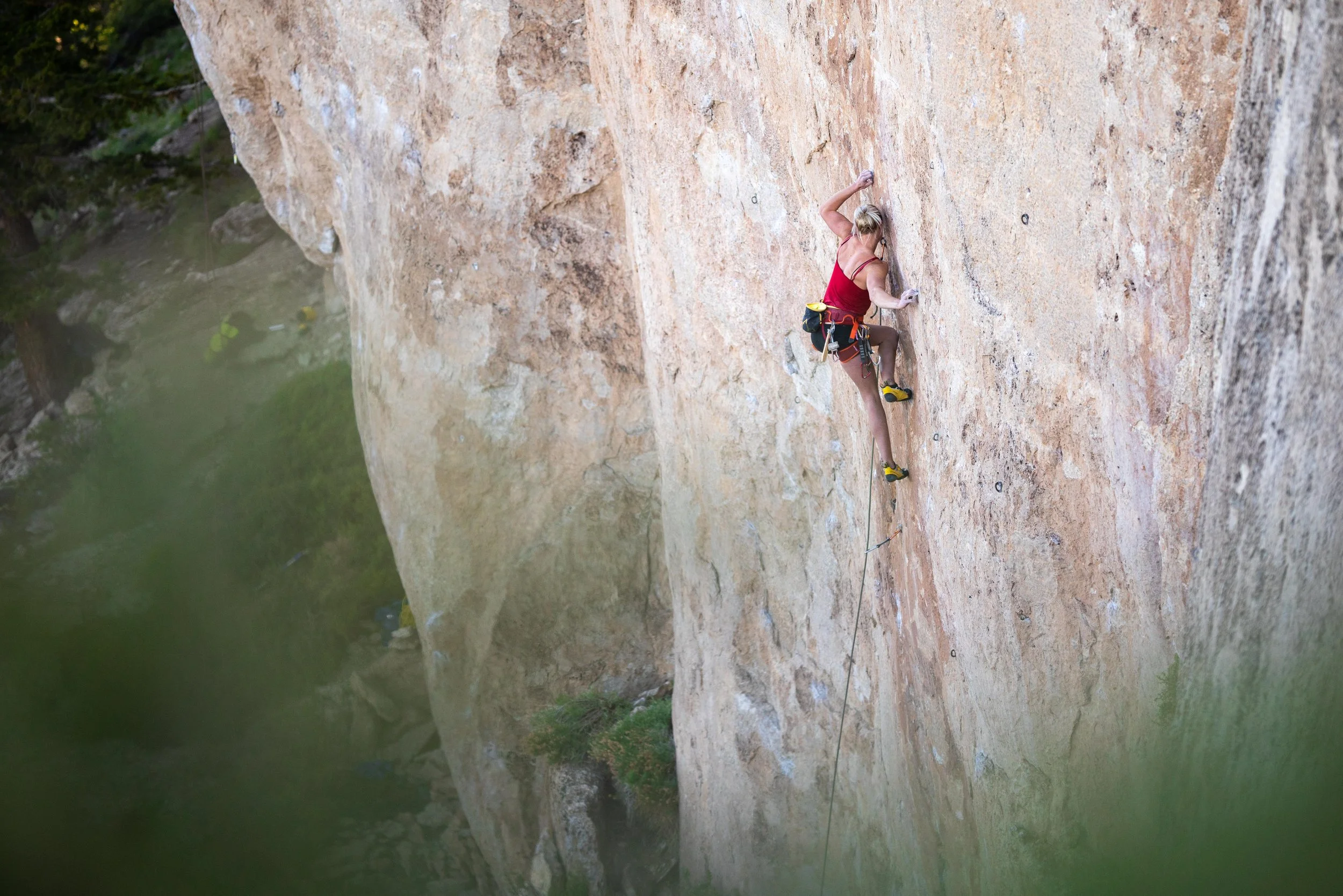
using Bolts and Anchors on public lands
climbing outdoors on public land is distinctly different from climbing in the gym.
In climbing gyms, fixed anchors are used within a highly controlled environment. They are installed by professional staff who conduct regular inspections, ensuring they remain in optimal condition for climbers. Gyms have accountability for gear if it becomes unsafe.
In contrast, outdoor fixed anchors are not regulated or inspected in any official capacity. You may encounter a wide variety of bolt types, along with various anchor configurations. Sub-standard hardware may have been used when routes were established, heavy use could sharpen or weaken lowering/rappelling points, and fixed anchors are exposed to the elements and varying climates, which can lead to corrosion or degradation over time.
The maintenance of these anchors may be performed by local climbing communities, but there are no guarantees. As a rock climber, it is crucial to understand your personal responsibility regarding fixed anchors, especially in the outdoors.
Before and while climbing, you should familiarize yourself with the state of the anchors you will be using. Inspect them, report any damage or concerns to local climbing organizations or individual stewards, and participate in maintenance efforts if possible.
Your actions directly contribute to the safety and sustainability of climbing routes for the entire community, ensuring that your party and future climbers can enjoy safe and reliable climbing experiences.
Lower Off Anchors
Clip-and-lower style anchors are commonly found at single pitch climbing areas. Statistics show us that using this type of anchor reduces accidents, and the ASCA has provided more than 24,000 Lower Offs for climbing areas nationwide. You can learn more about our Lower Off Initiative here.
Durable lower-off hardware at climbing anchors significantly reduces the risk of accidents by allowing for a fast, efficient, and safe descent without the need to untie or retie the lead line.
This capability to clip in and lower to descend and subsequently clean a route enhances the safety margin for climbers.
Lowering helps to prevent situations where a climber might inadvertently go off belay and minimizes the possibility of mistakes occurring while at the anchor, ultimately promoting a safer climbing experience overall.
This DOES NOT mean that lowering off climb is foolproof, and there is always potential to dangerously misconfigure your protection at an anchor.
You may find different configurations at anchors equipped for lowering, and it is important to know how to use them. Watch the video below to learn about common configurations for lowering and how to use them.
Closed anchor System - rappeling
Tether directly to anchor
Call off belay
Pull up slack
Tie knot in slack
Connect knot to harness
Untie original tie in knot
Thread rope through anchor
Tie knot in rope now through anchor
Clip new knot to harness
Unclip 1st knot
Untie 1st knot
Pull rope to middle mark
Unclip 2nd knot
Tie knot in end of rope
Throw rope
Attach ATC to rope
Attach prussik/autobloc (third hand)
Transfer weight to rappel device
Unclip tether
Rappel route
Closed anchor System - Lowering
Tether directly to anchor
Call for slack
Thread bight of slack through anchor
Tie knot in bight
Clip knot to belay loop with locker
Lock the locker
Untie original tie in knot
Pull rope end through anchor
Call for tension from belayer
Remove tether from anchor
Lower
open anchor system (lower offs)
Clip anchor/connect rope to anchor
Call for tension from belayer
Lower
Less steps = less opportunity for miscommunication and accidents

maintaining our fixed anchors is a community responsibility.
We all have a part to play in caring for our climbing resources. Not everyone has to be out replacing bolts, but its important that we all get involved somehow.
Joining your Local Climbing Organization, showing up for trail days and other stewardship events, and financially supporting organizations who are advocating for your access or maintaining resources are all easy ways to do your part as someone who climbs on public land.